Admissions
Ten questions to ask before you join any clinical programme
Ask about supervision ratios, attendance policy and what the certificate does and does not entitle you to. The answers separate serious programmes from brochures.
Clinical training programmes are a crowded market and the marketing tends to sound identical. These ten questions are the ones whose answers actually differ between a serious programme and a well-designed brochure. Ask them of us, and ask them of everyone else you are considering.
About the clinical exposure
- How many learners does one supervising clinician take at a time? A number that keeps rising as you press for it is an answer in itself.
- Will I have direct patient contact, and within what scope? Vague answers here are the single biggest warning sign.
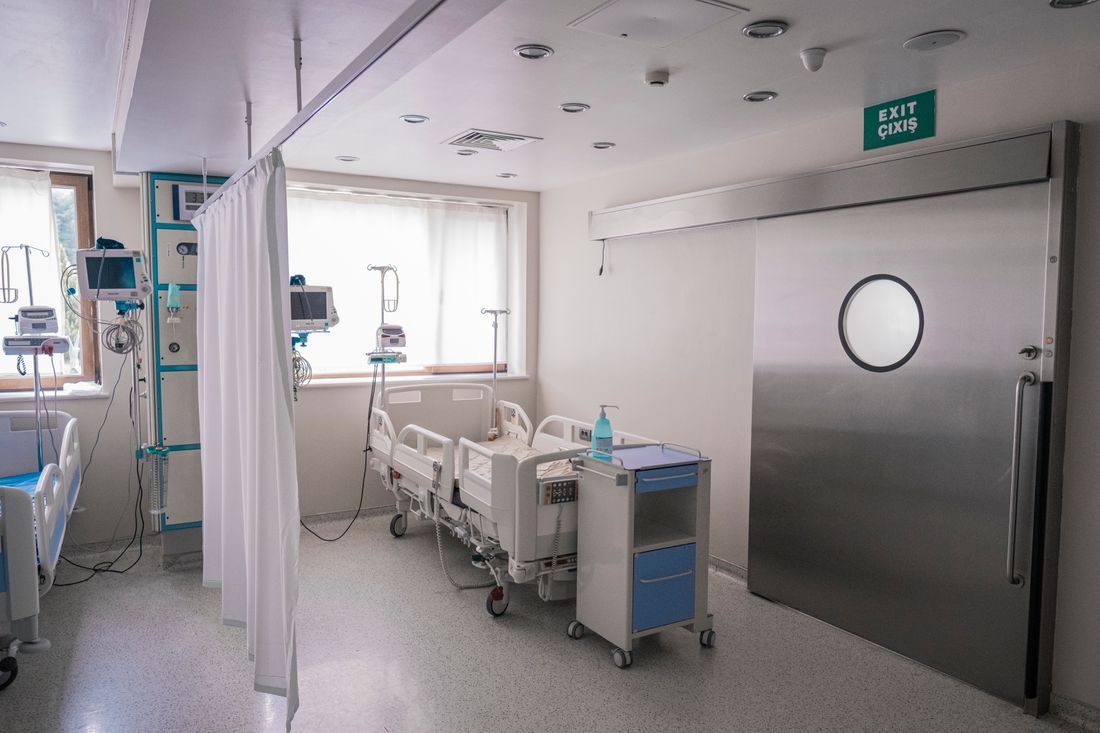
- Which hospital will I actually be placed in, and when will that be confirmed in writing?
- What does a typical week look like, hour by hour?
About the commitment
- What is the attendance requirement, and what happens if I fall short of it?
- Can I work or study elsewhere at the same time? If the honest answer is no, you want to hear no.
About money
- What is the total cost, including anything not in the headline fee?
- If a stipend is mentioned, who pays it, how much is it, and is it in my written offer?
- What is the refund policy if I withdraw in the first month?
About the certificate
- What does this certificate entitle me to do that I could not do the day before I enrolled?
How to read the answers
The content of the answer matters less than its specificity. A programme that tells you supervision is one clinician to four learners, attendance is eighty-five percent, and the certificate is a professional training certificate that does not extend your legal scope of practice, is a programme that has thought about what it is selling you.
A programme that answers all four with enthusiasm and no numbers has told you something too. Take the answers in writing where you can, particularly the ones about stipend and hospital allotment, and read the refund policy before you pay rather than after.
One question to ask yourself
What do I want to be able to do at the end of six months that I cannot do now? If you can answer that in a sentence, you can evaluate any programme against it in about ten minutes. If you cannot, no amount of comparison will help, and the honest first step is more exposure rather than more enrolment.